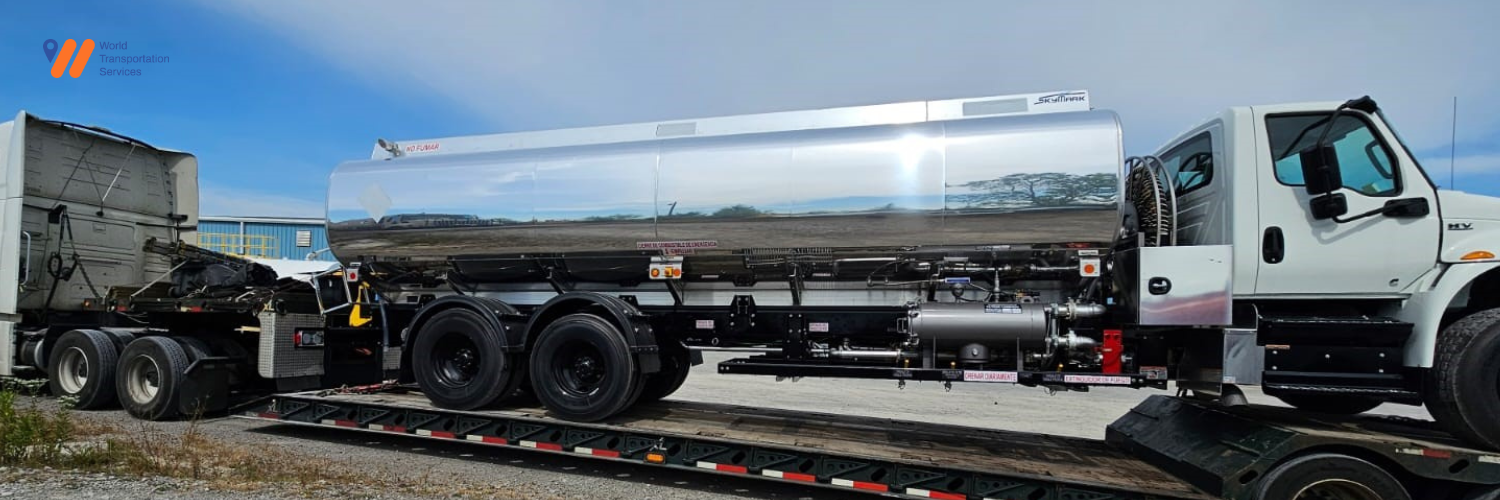

The Anatomy of a Heavy Haul Move
It doesn’t start with a truck.
It starts with a question.
How heavy is it?
How wide?
How tall?
Where does it need to go?
A heavy haul move begins long before anything rolls onto a trailer. By the time equipment starts moving, most of the work is already done. Because heavy haul isn’t just transportation. It’s planning under constraints.
There’s no standard template. Every load introduces new variables. Dimensions dictate routing. Weight shapes equipment selection. Infrastructure determines feasibility. Small changes can force major adjustments.
So the anatomy of a heavy haul move begins with engineering, not horsepower.
Teams analyze specs, calculate axle configurations, map routes, and secure permits across jurisdictions. Equipment is chosen based on balance, stability, and compliance. Loading is precise. Nothing is improvised.
Only then does the move begin.
But even in motion, heavy haul operates differently. Speeds are controlled. Conditions are monitored. Decisions continue to be made in real time as variables change.
What makes heavy haul challenging isn’t the weight alone.
It’s the orchestration.
Every move is custom. Every solution is built deliberately. Experience matters because not every risk appears on paper. Technology adds visibility, but judgment determines when to adjust.
People still make those calls.
A heavy haul move succeeds when preparation meets adaptability, when planning is thorough, but teams remain ready to pivot.
That’s the anatomy of it.
Not just steel and trailers.
It’s foresight layered on execution. Coordination under pressure. Dozens of small decisions combining to move something most roads were never designed to carry.
Heavy haul reminds us that logistics isn’t always about speed.
Sometimes it’s about precision.
Sometimes it’s about patience.
And sometimes, it’s about guiding something massive through a world built for lighter loads, one careful mile at a time.
.png)
.png)